How Often Should a Commercial Rooftop Unit Be Serviced?
Rooftop unit service frequency for DFW commercial HVAC: 2-4 visits/year standard, more for restaurants, multi-tenant, or 24/7 buildings.
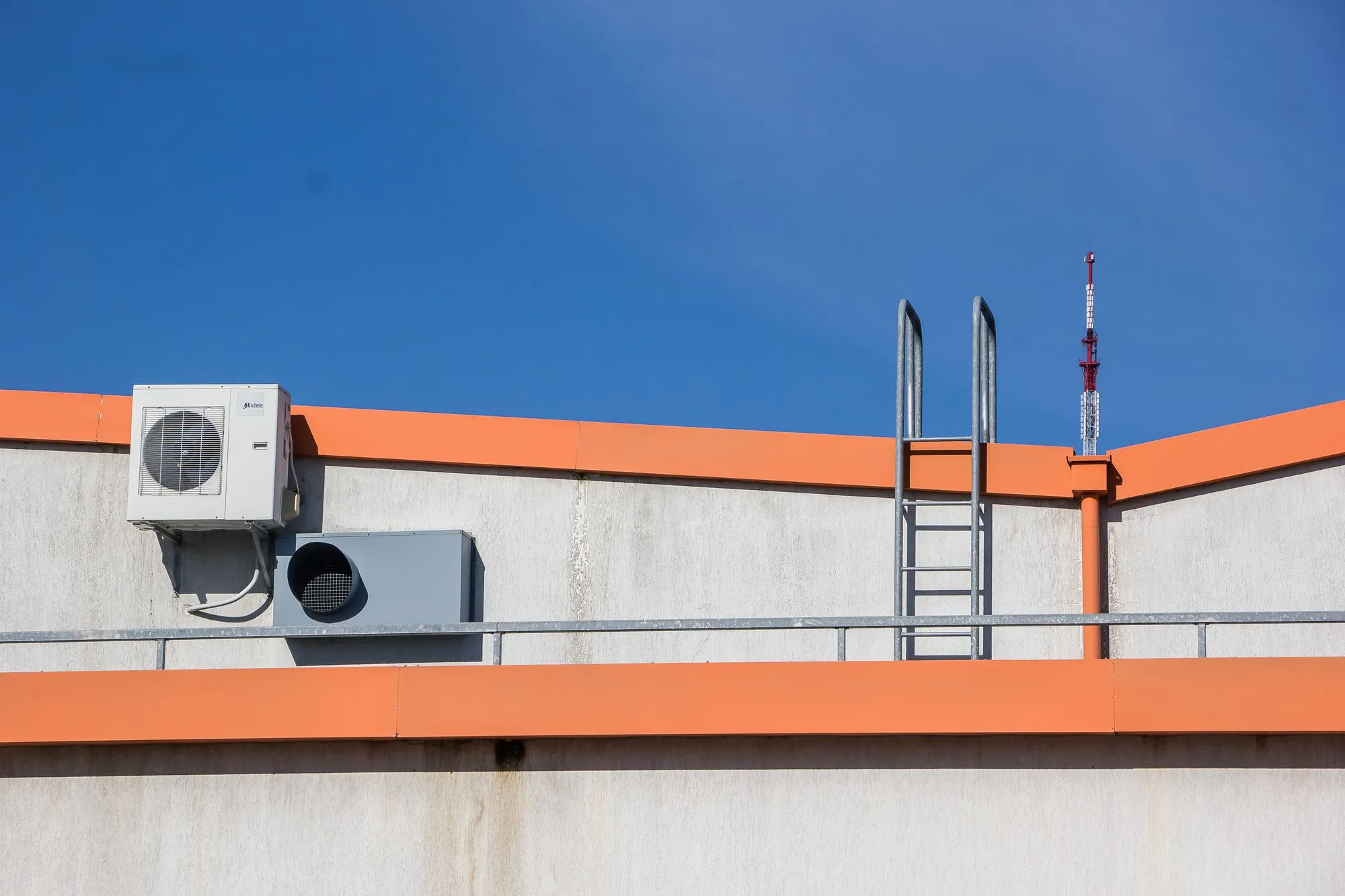
Most commercial rooftop units need at least two preventive maintenance visits a year: one tuned to the cooling season and one to the heating season. Two to four visits annually is the typical range across commercial properties in DFW. High-use buildings, multi-tenant complexes, and restaurants often need quarterly service to keep units running reliably through a full year of Texas weather.
Key Takeaways
- Two visits a year (spring and fall) is the baseline for most commercial rooftop units.
- High-use buildings, restaurants, and 24/7 operations typically need three to four visits.
- The best Texas windows are March-April (before heat) and October-November (before freezes).
- Each visit targets cheap, wear-prone parts: belts, capacitors, contactors, and refrigerant levels.
- Preventive maintenance runs roughly three to five times cheaper than emergency repair.
What Is the Baseline Service Cadence for a Commercial Rooftop Unit?
Two visits a year is the floor, not the ceiling. A spring visit prepares the unit for the cooling load ahead. A fall visit readies it for heating season. That two-visit rhythm covers the two biggest seasonal stress points and gives a technician a chance to spot worn parts before they fail under load.
For a standard single-tenant office building with regular business hours, two visits a year is often enough. The units run predictable cycles, the load stays relatively steady, and the equipment ages at a normal rate.
Many commercial HVAC maintenance plans structure service around this two-visit minimum and then add visits based on building type, equipment age, and runtime hours. The plan should match the actual demands on your equipment, not just a default calendar.
Three to four visits a year becomes the right answer as soon as any of the factors below apply to your building.
What Raises the Required Service Frequency?
Several building types put significantly more stress on rooftop units than a standard office. Each one pushes the recommended cadence up from two visits toward three or four.
Multi-tenant buildings run HVAC systems on longer daily schedules than single-tenant properties. The equipment has to respond to the comfort demands of multiple different businesses with different hours and thermostat preferences. More runtime hours mean faster wear on belts, filters, and electrical components.
Restaurants and commercial kitchens are the hardest use case. Cooking exhaust, grease-laden air, and high heat loads push through the system constantly. Grease accumulates on coils and in drain pans, reducing efficiency and creating a fire hazard. Quarterly service is the minimum most HVAC technicians recommend for any building with commercial kitchen exhaust.
Buildings with dusty corridors or heavy foot traffic load up air filters faster than cleaner environments. A clogged filter restricts airflow, forces the unit to work harder, and can cause the heat exchanger to overheat. More frequent filter changes and coil cleanings offset this.
Older units need more attention, not less. A rooftop unit past the 10-year mark has worn electrical contacts, aging capacitors, and compressor components that are closer to failure. Catching problems early on older equipment is what keeps it running instead of hitting an expensive emergency repair or replacement decision mid-season.
24/7 operations including hotels, medical offices, and data centers put more annual hours on equipment than almost any other building type. A unit running around the clock accumulates wear at roughly double the rate of a standard office unit. Three to four visits a year is a reasonable starting point for these properties.
If your building fits more than one of these categories, plan conservatively. The cost of an extra visit is small compared to an emergency rooftop unit repair on a Friday afternoon in July.
When Should You Schedule Maintenance in Texas?
Texas timing matters more than it does in most other states. DFW summers are long and brutal, and the window between “spring” and “100-degree days” is short.
For the cooling-season visit, target March or the first half of April. By late April, temperatures are already climbing and HVAC technicians get busy fast. Scheduling in March gives you time to get the visit done, order any needed parts, and make repairs before the first real heat wave arrives.
For the heating-season visit, October or early November works well. The summer cooling load has dropped, technicians have bandwidth, and you have time to address any issues before a freeze hits the Dallas area.
Waiting until May for a spring checkup is a common mistake for DFW property managers. By then, lead times on parts like capacitors and contactors stretch out because every other building manager had the same idea. Scheduling early keeps you ahead of that crunch.
What Does a Maintenance Visit Actually Catch?
The value of a preventive visit comes down to the specific components a technician inspects. Most of the items on the checklist are inexpensive parts that fail predictably with use.
Belts and pulleys wear with every cycle. A fraying belt costs under $50 to replace during a scheduled visit. The same belt snapping under full cooling load can overheat the blower motor and turn a $50 fix into a $500 repair.
Capacitors and contactors are the electrical components that start and run the compressor and fan motors. They have a finite service life and show measurable degradation before they fail. A technician can test capacitance and contact resistance and swap a failing component before it takes the compressor down with it.
Low refrigerant does not fix itself. Refrigerant loss means a leak somewhere in the system. A maintenance visit identifies low charge, traces the source, and corrects it before the unit loses capacity or runs the compressor dry.
Coil cleaning restores heat transfer efficiency. Dirty condenser coils make the unit work harder to reject heat, raising energy consumption and putting stress on the compressor. A clean coil check during every visit keeps efficiency close to nameplate specs.
Drain pans and condensate lines clog with algae and debris, especially in humid Texas summers. A blocked drain causes water to back up into the unit and eventually into the ceiling below. Clearing the drain is a five-minute task during a visit. A ceiling water damage claim is not.
What Does Skipping Maintenance Actually Cost?
The short answer is that deferred maintenance is never free, it just delays the bill and makes it larger.
Small problems compound. A dirty coil raises head pressure. Higher head pressure strains the compressor. A strained compressor running hot burns out its winding. A burnt-out compressor on a large commercial unit can run several thousand dollars to replace, plus emergency labor and the cost of any business interruption during the repair.
Preventive maintenance runs roughly three to five times cheaper than emergency repair when you add up parts, labor, after-hours rates, and the cost of renting temporary cooling equipment while a unit is down.
There is also a warranty consideration for newer units. Many commercial HVAC equipment manufacturers require documented preventive maintenance as a condition of the extended warranty. Skipping scheduled service can void coverage on a unit that still has years of warranty protection remaining.
The return on a twice-yearly maintenance visit is straightforward: you pay a predictable, modest amount on your schedule instead of a large, unpredictable amount at the worst possible time.
If you want a quick read on where your rooftop units stand right now, the free Rooftop Risk Report gives you a clear picture of your maintenance gaps and what to prioritize first.
Common questions
How often should a commercial rooftop unit be serviced?
Most commercial rooftop units need at least two preventive maintenance visits a year, one before cooling season and one before heating season. High-use buildings, multi-tenant properties, and restaurants typically need three or four visits annually. Skipping service shortens equipment life and raises the odds of a costly mid-summer failure.
When is the best time to schedule HVAC maintenance in Texas?
Schedule your cooling-season visit in March or early April, before DFW temperatures climb past 90 degrees. Schedule your heating-season visit in October or early November, before the first hard freeze. Both windows let a technician catch problems while parts are available and lead times are short.
What happens if you skip rooftop unit maintenance?
Skipping maintenance lets small, cheap problems become expensive ones. A worn belt or failing capacitor that costs under $100 to replace during a scheduled visit can cascade into a compressor failure costing several thousand dollars. Preventive maintenance runs roughly three to five times cheaper than emergency repair.